Verizon
In summer 2024, Verizon relaunched its brand identity with Turner Duckworth. I led the rollout of that identity across acquisition email and direct mail, visually, with a hand in copy as well: taking a system built for brand campaigns and making it work at the scale and speed CRM demands.
The guidelines we got weren't built for this. Turner Duckworth's system covered the brand world. It didn't answer the hundreds of specific decisions a high-volume acquisition program throws at you every week: how the type behaves when there are four offers on one panel, what happens to the color system in a six-by-nine mailer, which rules bend and which ones don't. A lot of the system as it exists in CRM today got figured out in real time. That's still true. The guidelines keep shifting, and so does the work.
These six pairs show that system next to what came before it.
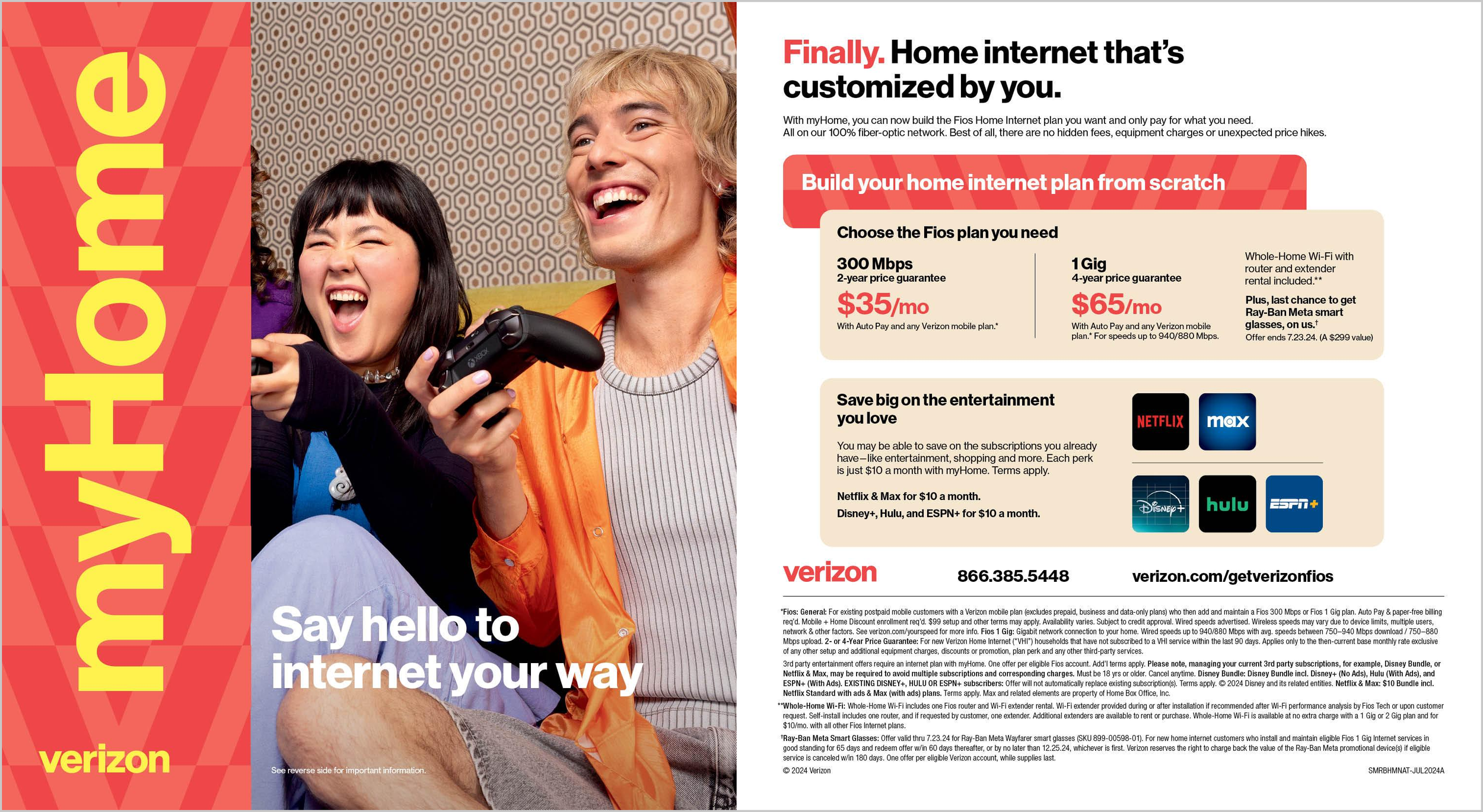
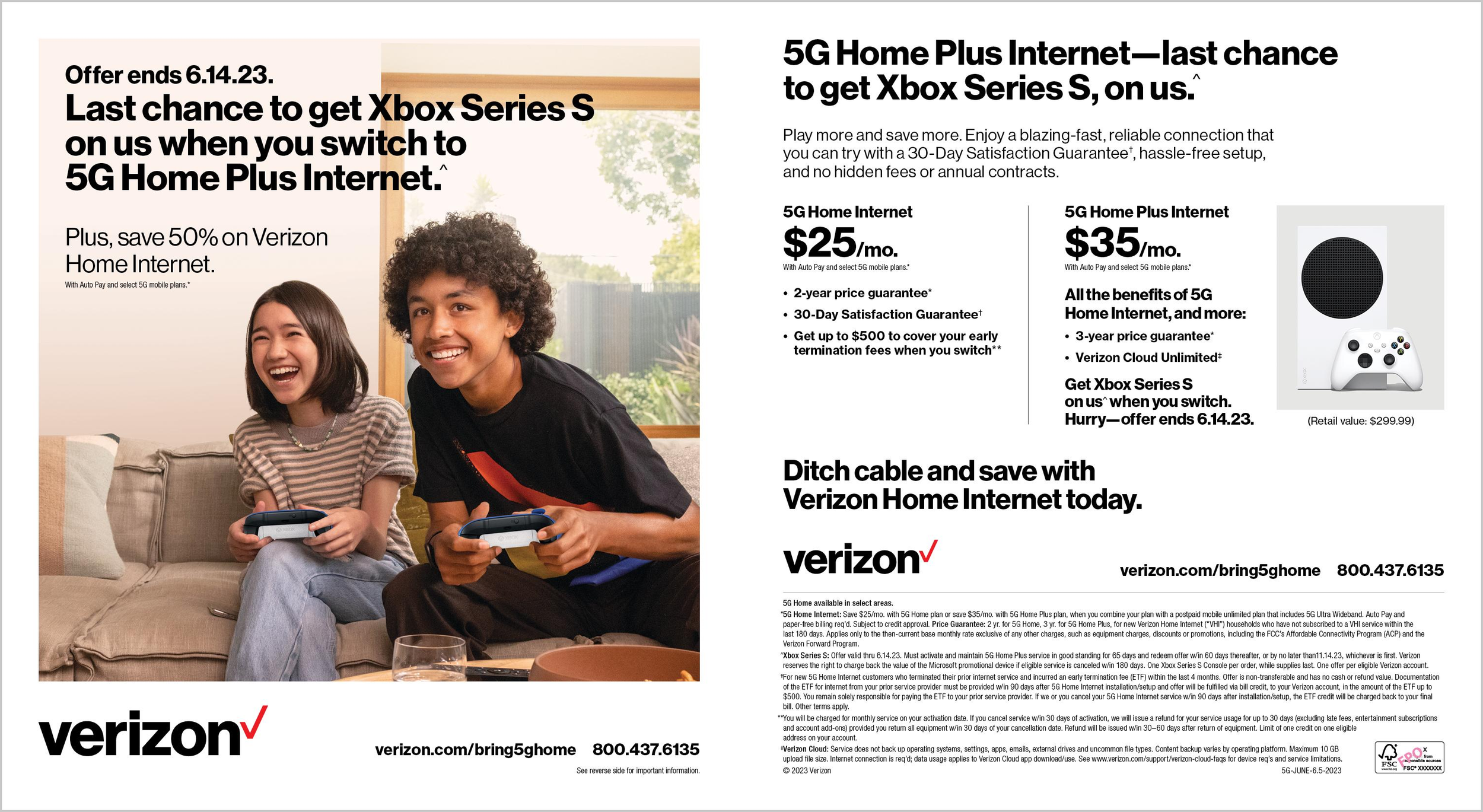
Both sell home internet to gamers. The earlier piece finds a warm, domestic moment and captions it. The later one art-directs one, the color block, the wall pattern, the wardrobe, and the lockup all built to work together.
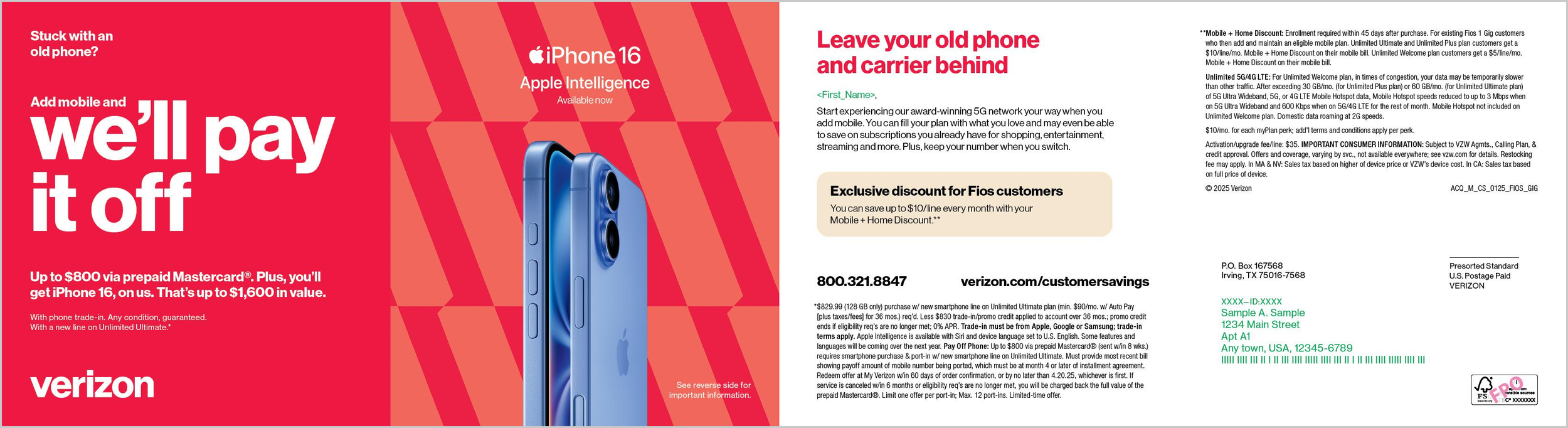
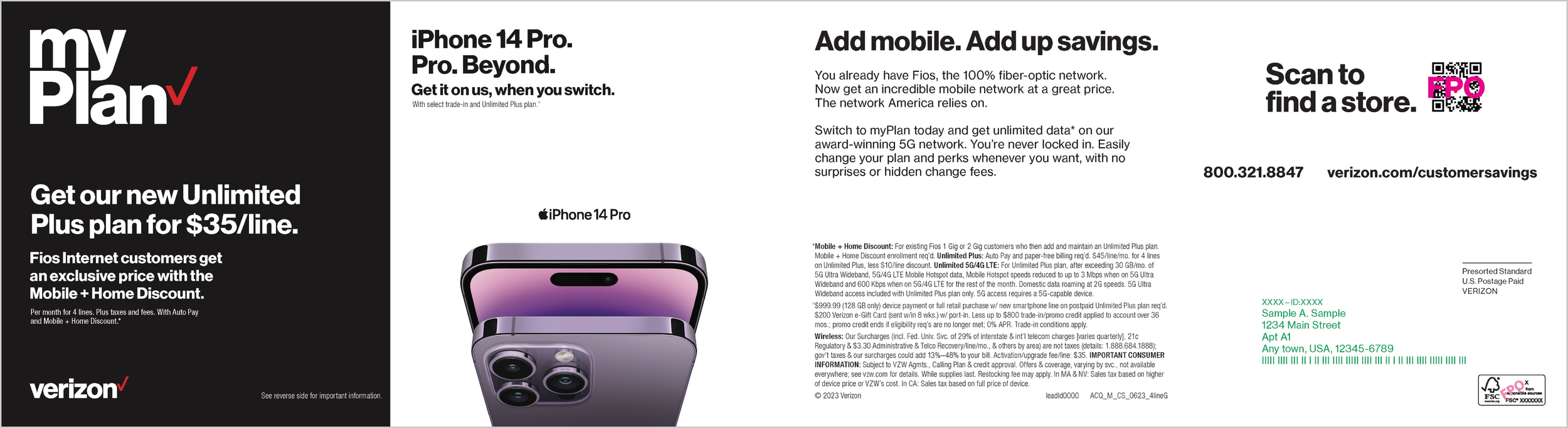
Same job on both sides: get someone to trade in a phone. What changed is how much of the work the brand system does versus how much the device photography has to.
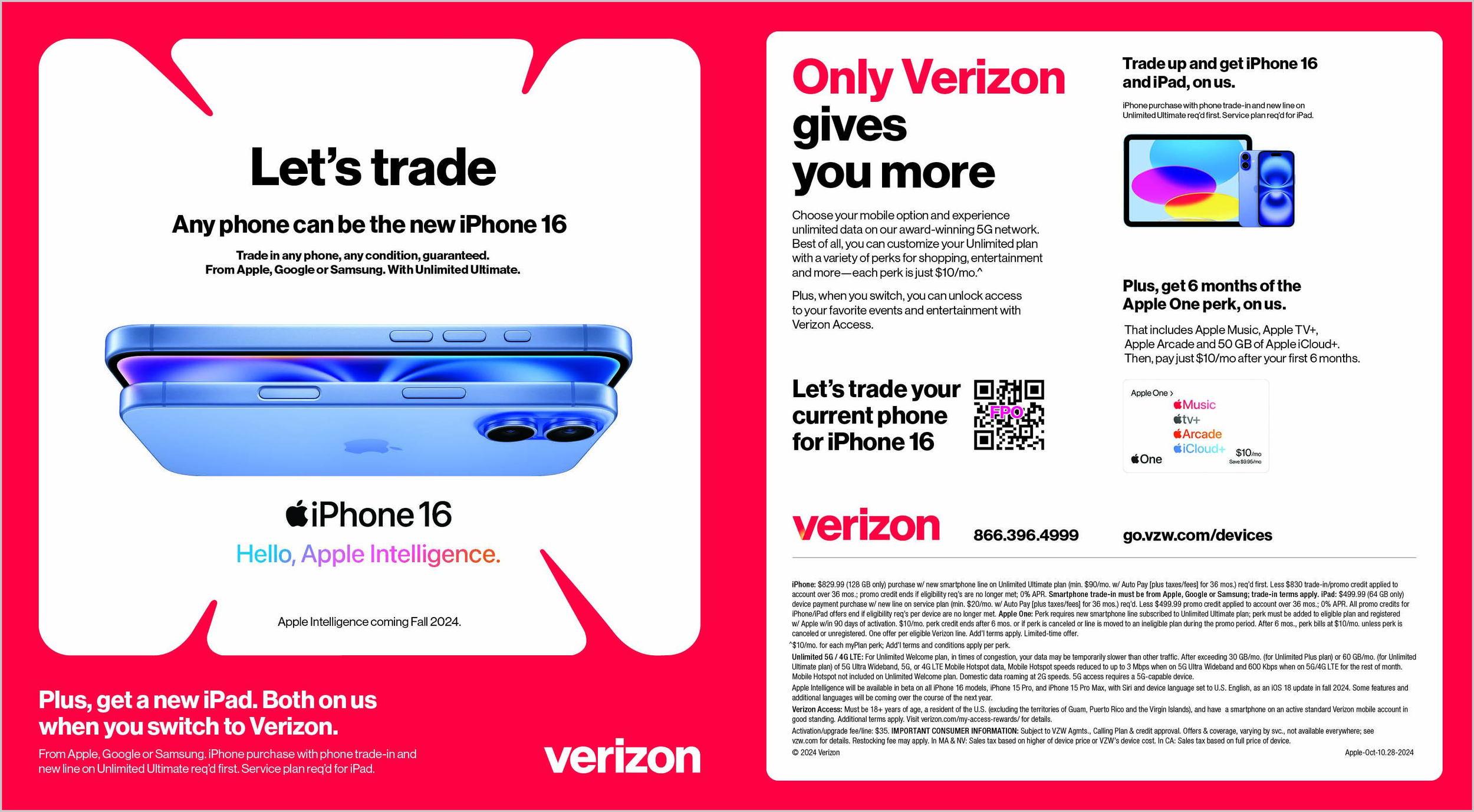
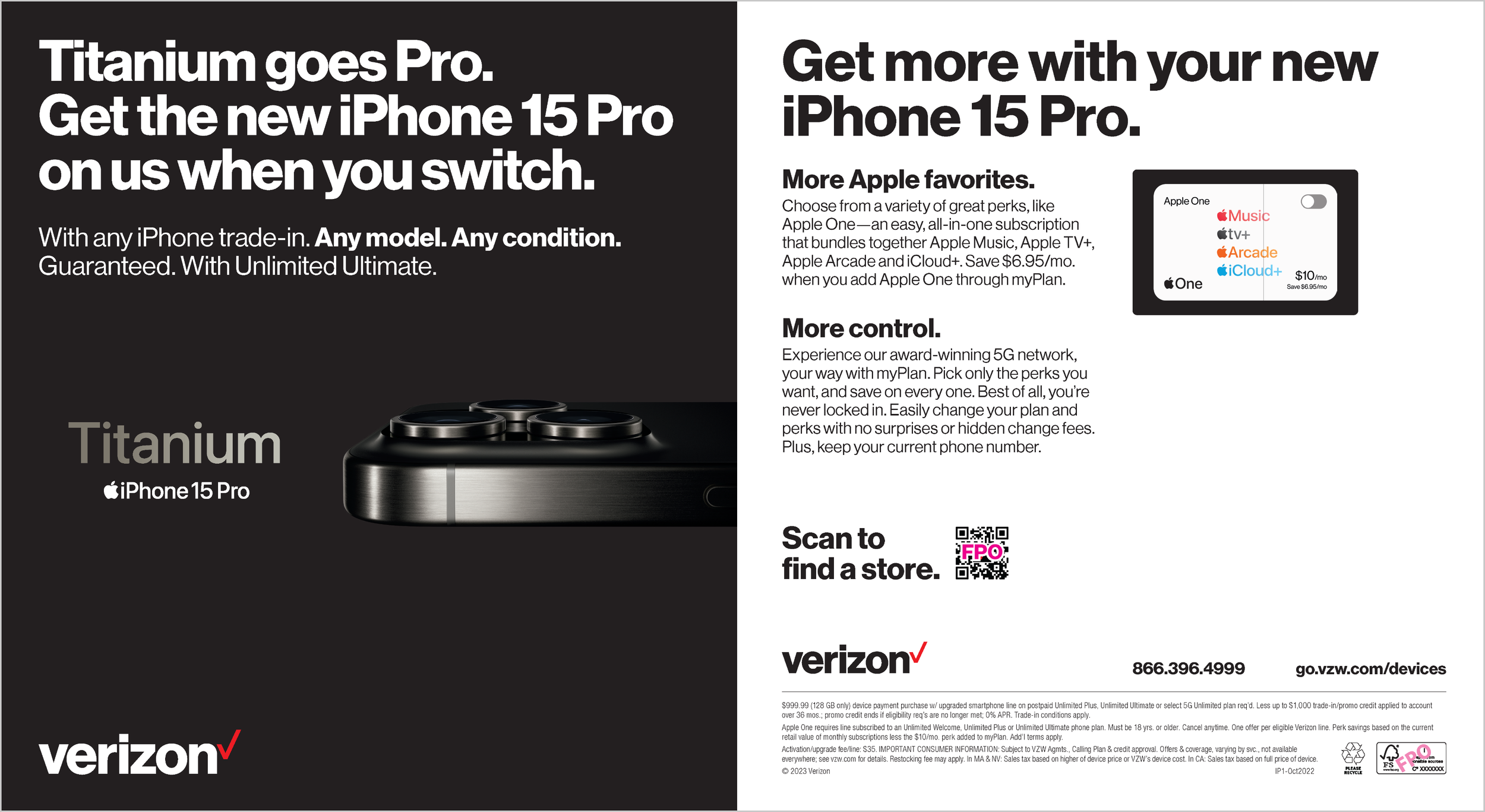
Same product, more to say. The white panels and color blocking aren't decoration here, they're what keeps four stacked offers from reading as a wall.
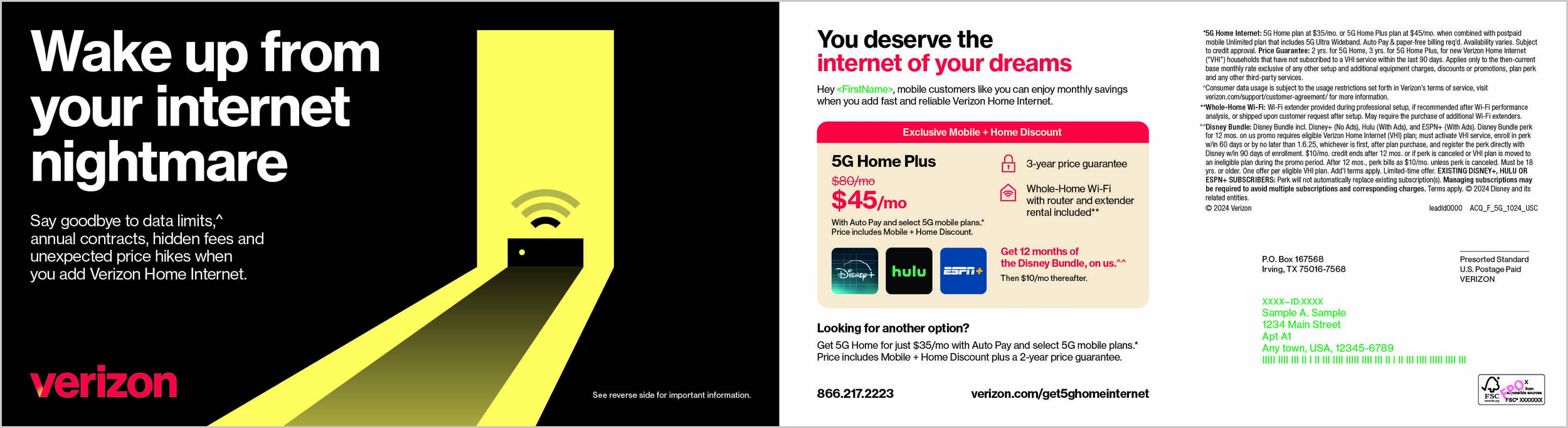
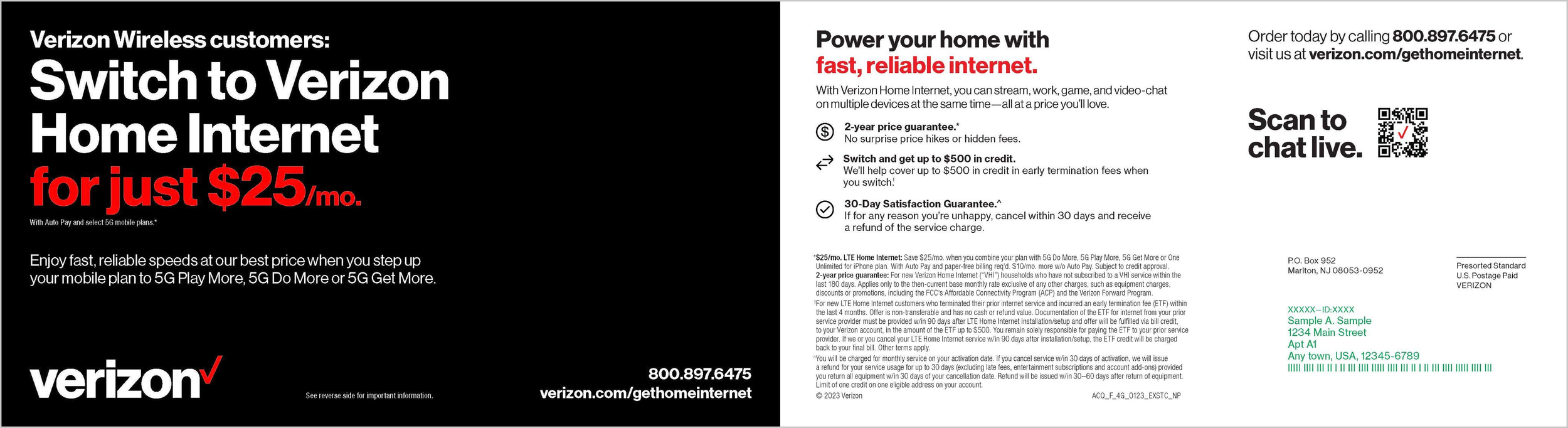
The one where the change isn't palette, it's craft. Both sell the same price point, but the older piece states the value proposition as a headline. The later one builds an actual idea around it, a metaphor, a visual moment, rather than just stating the number louder.
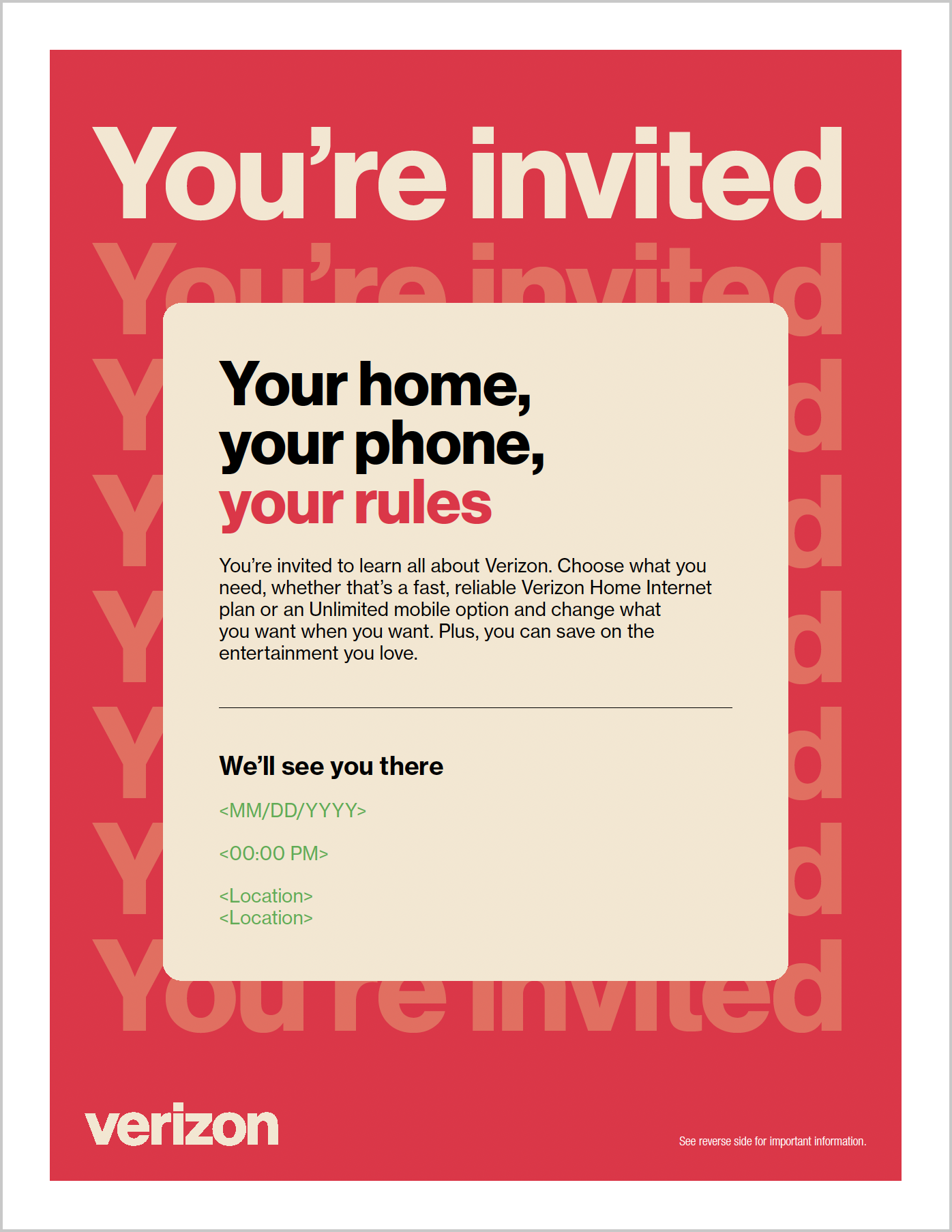
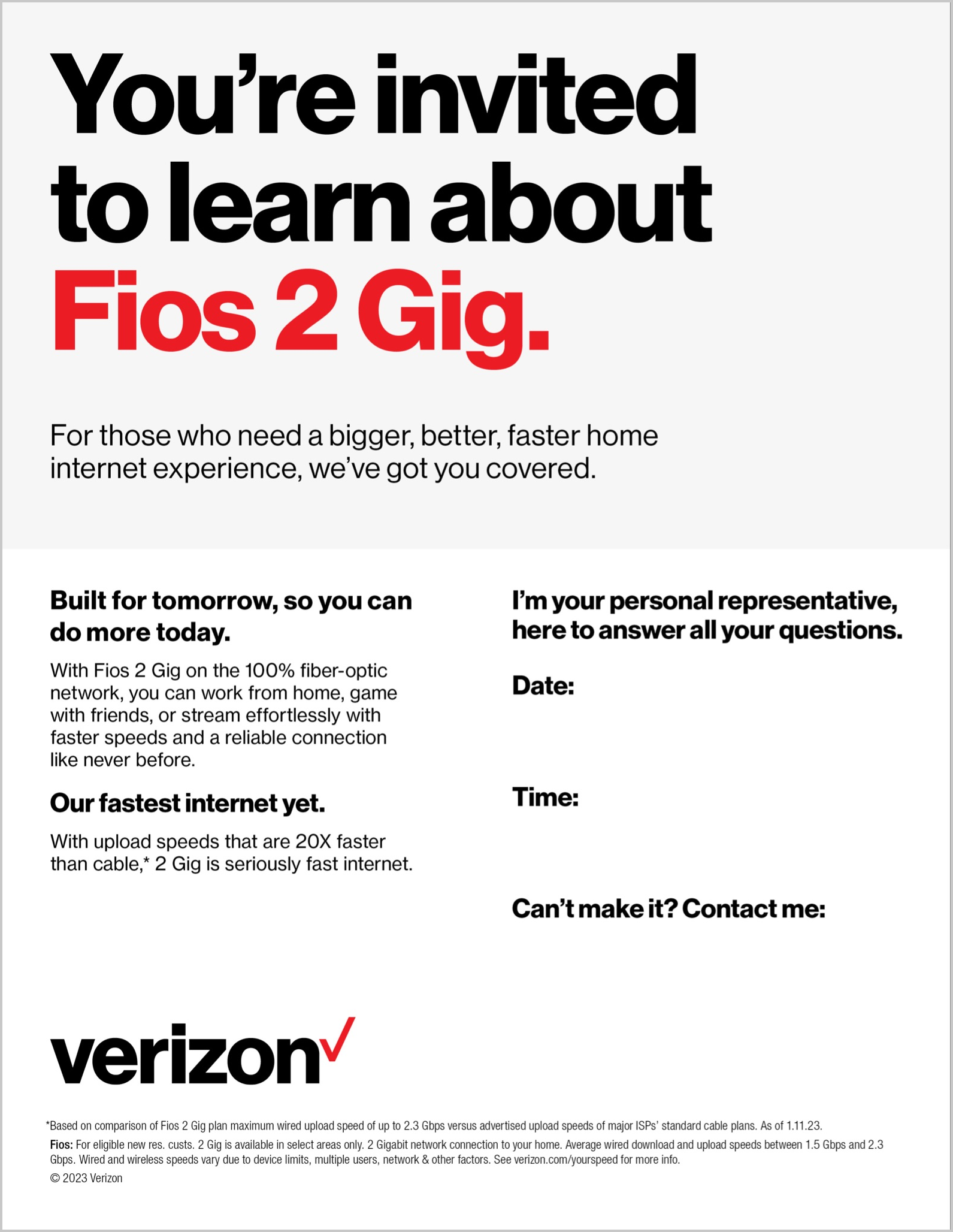
Same flyer, same job, same constraints. The 2023 version announces an event. The new one feels like one you'd want to go to. Repeated type as pattern, color doing the heavy lifting, information sitting inside the design instead of stacked on top of it.
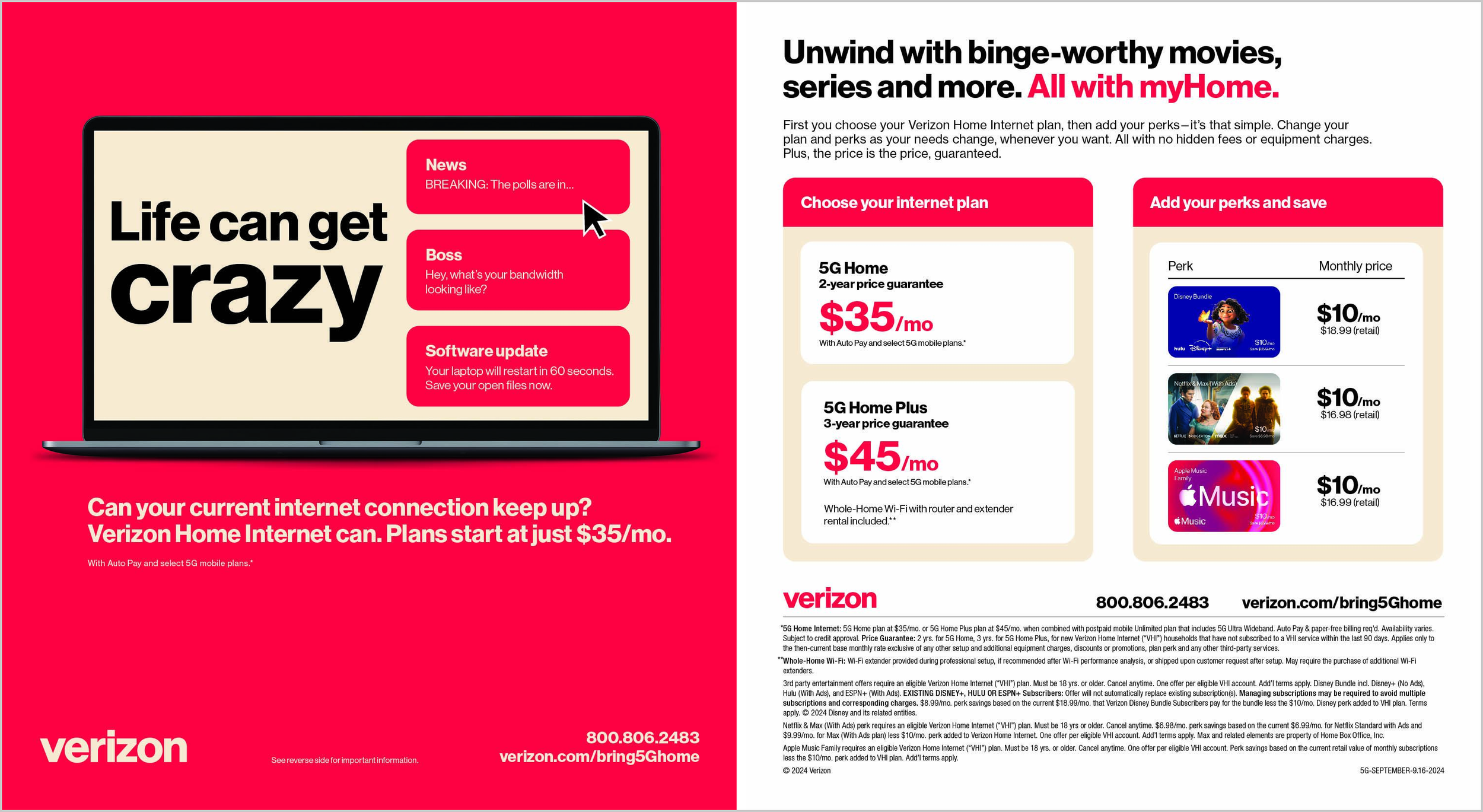
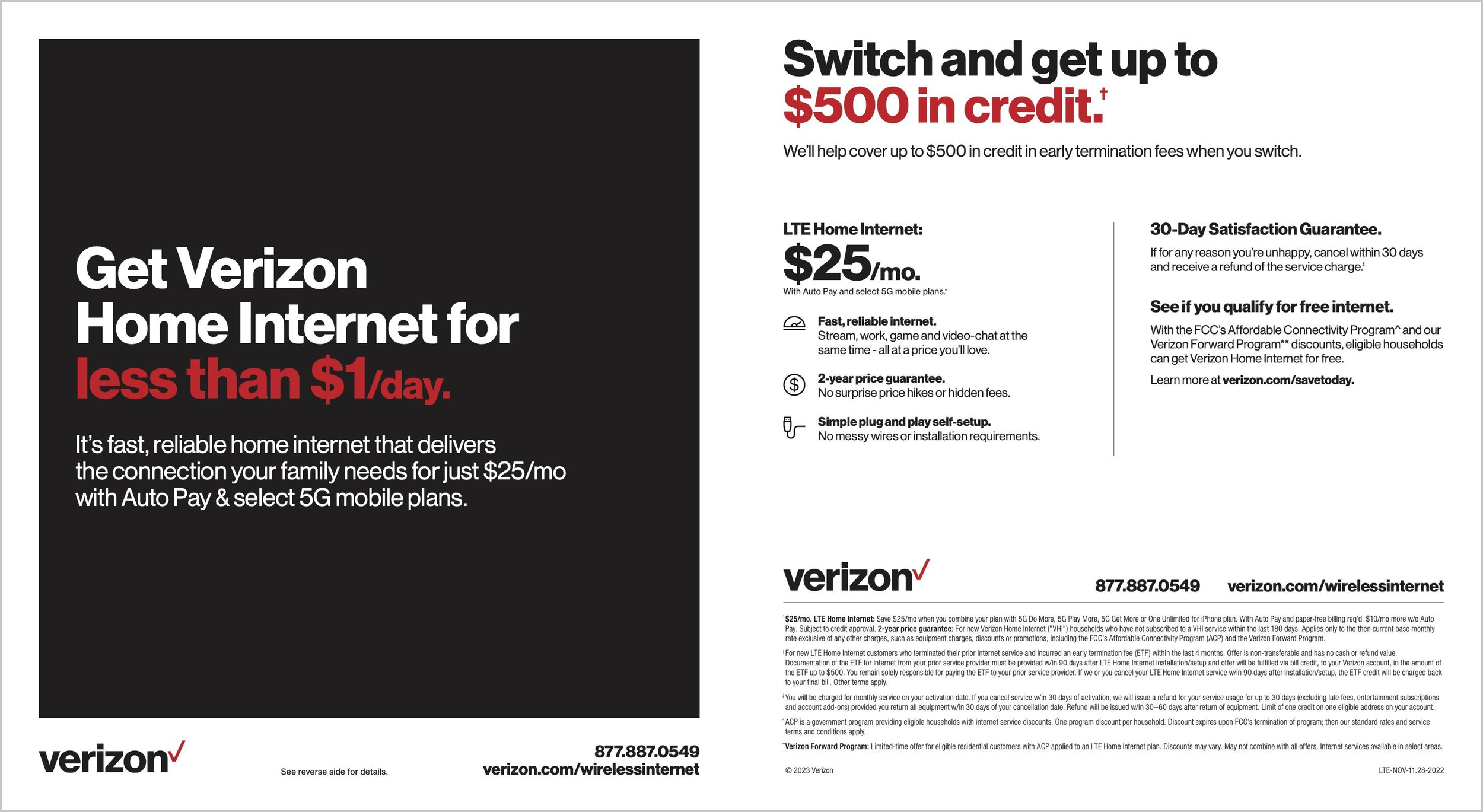
Same value prop, two different ways in. The earlier piece leads with the number. The later one dramatizes the problem first, a screen filling up with notifications, then gets to the price once you're already nodding.